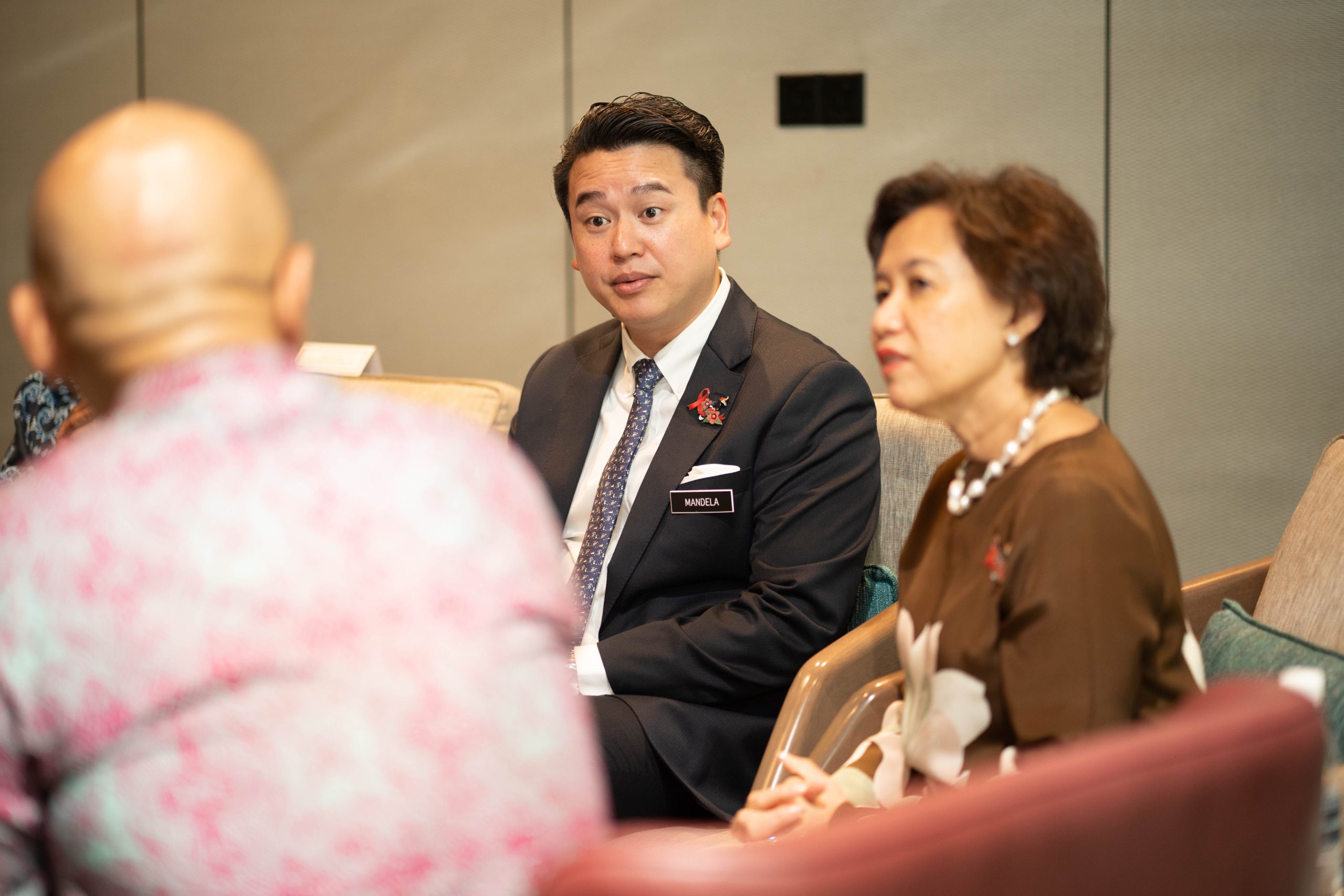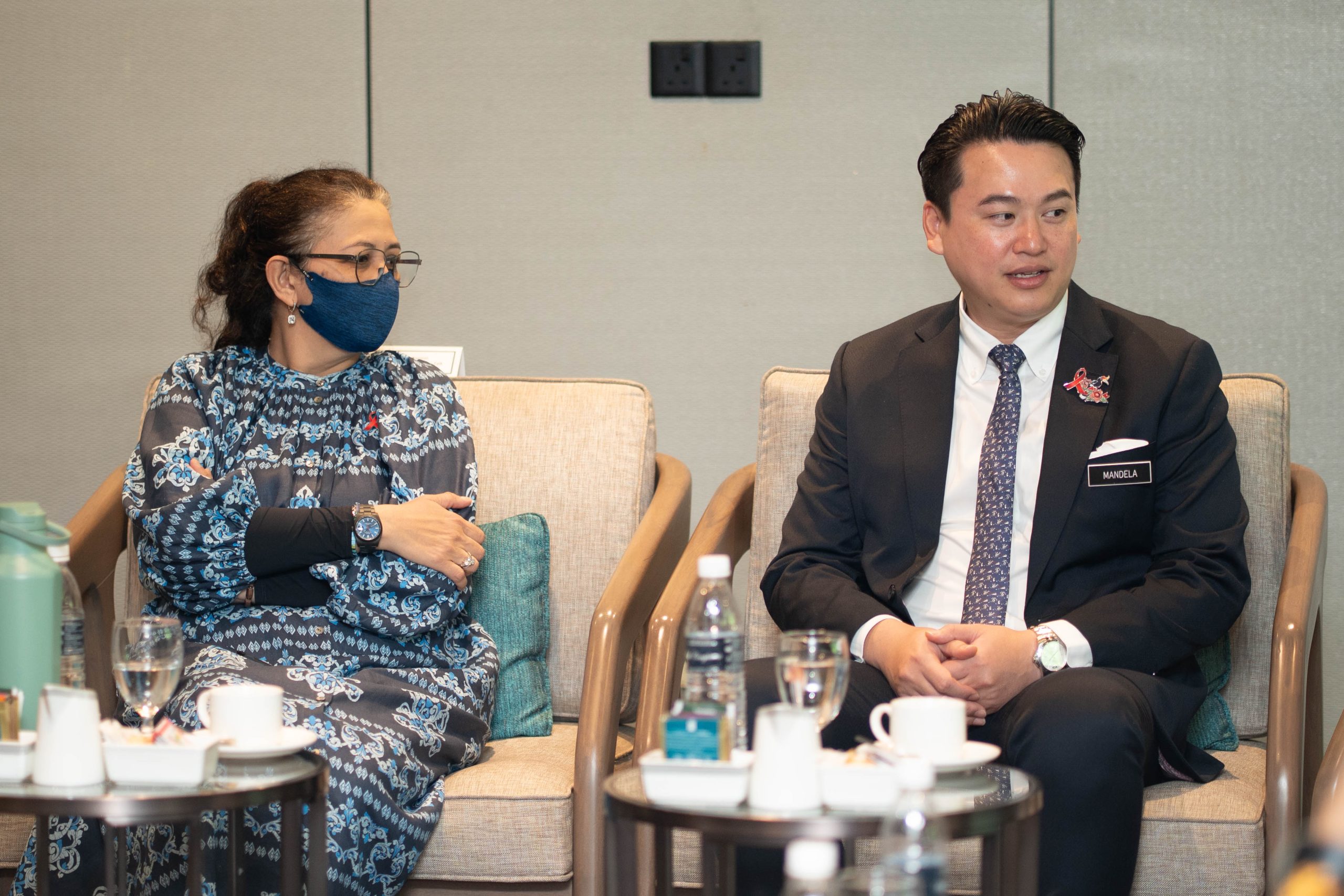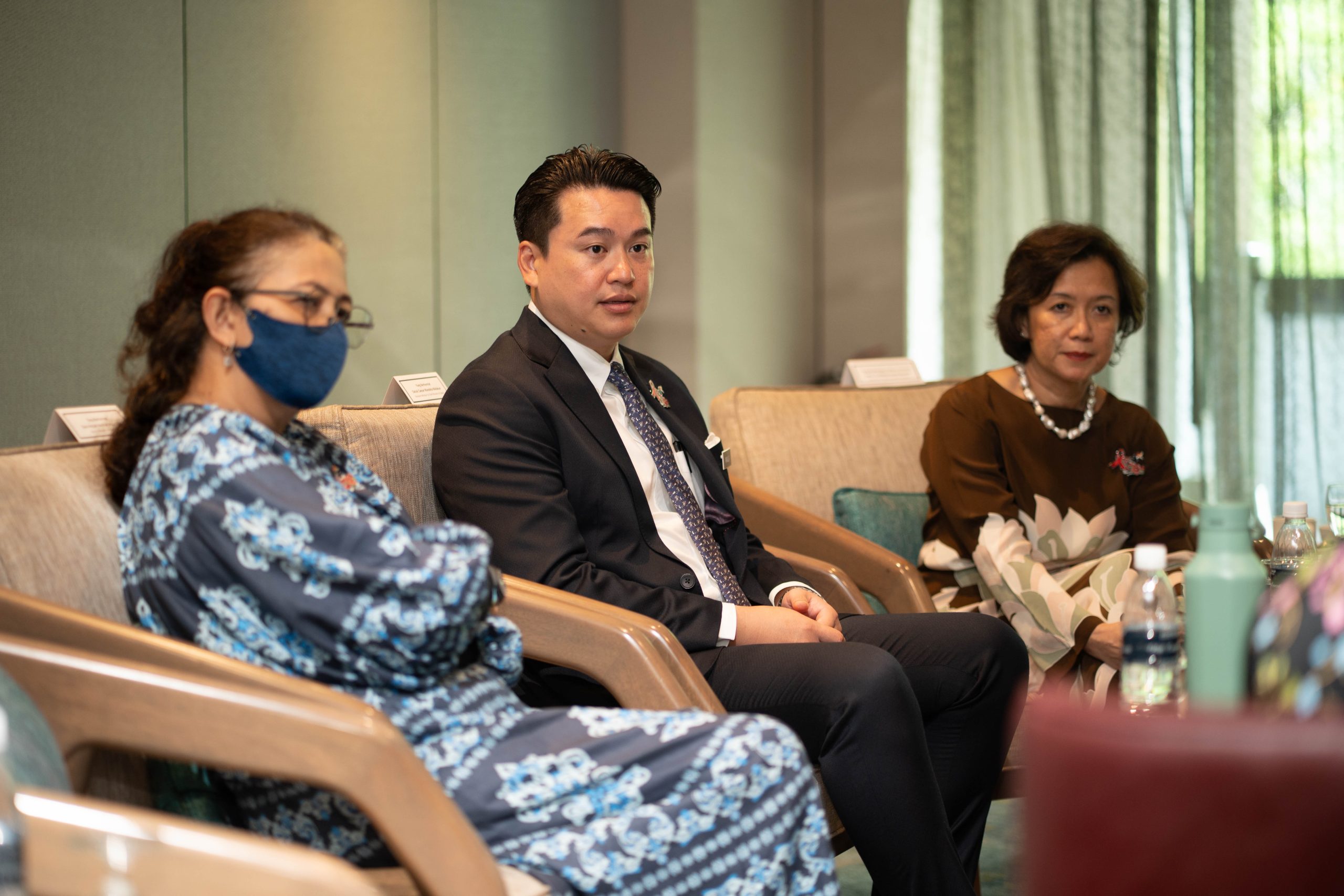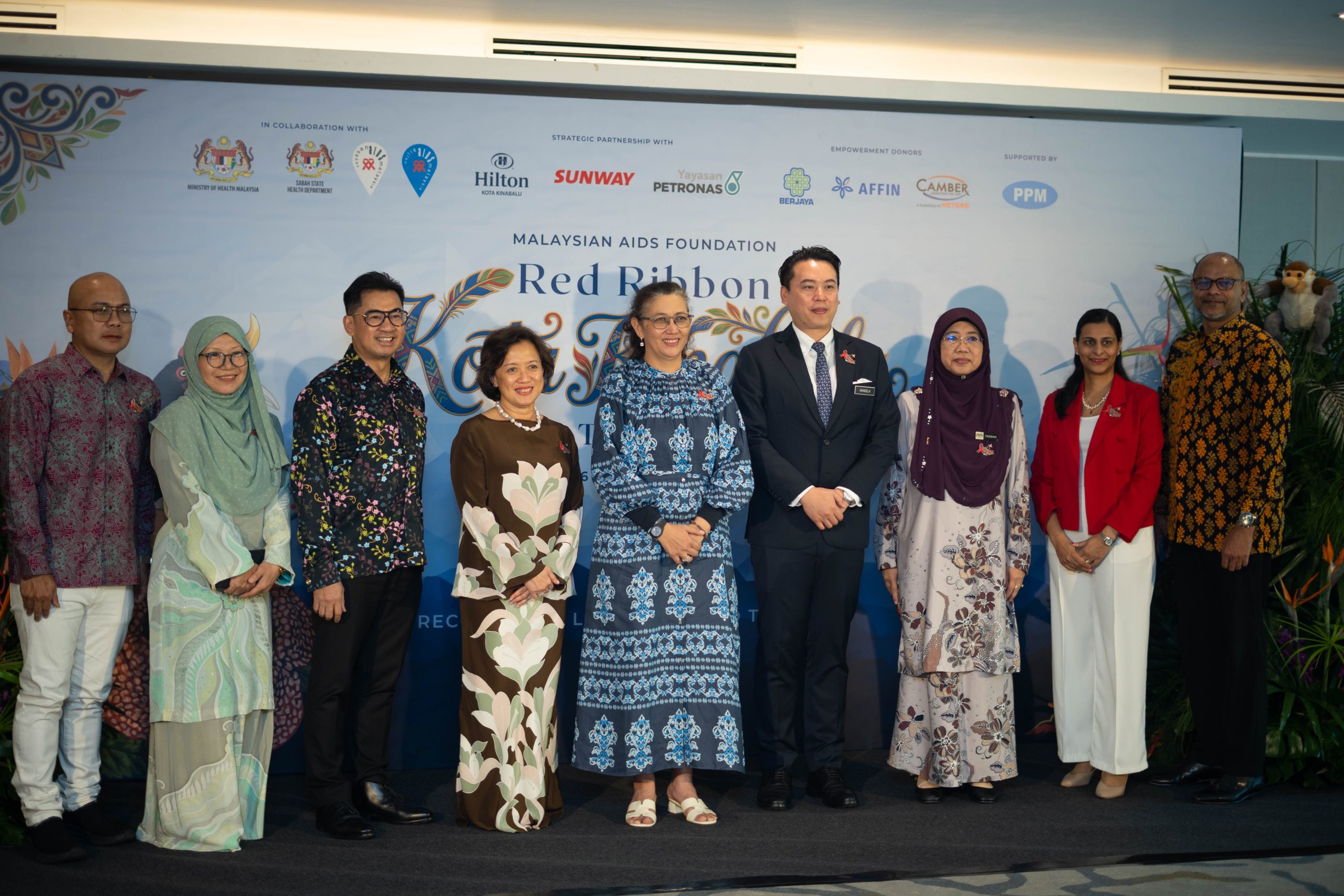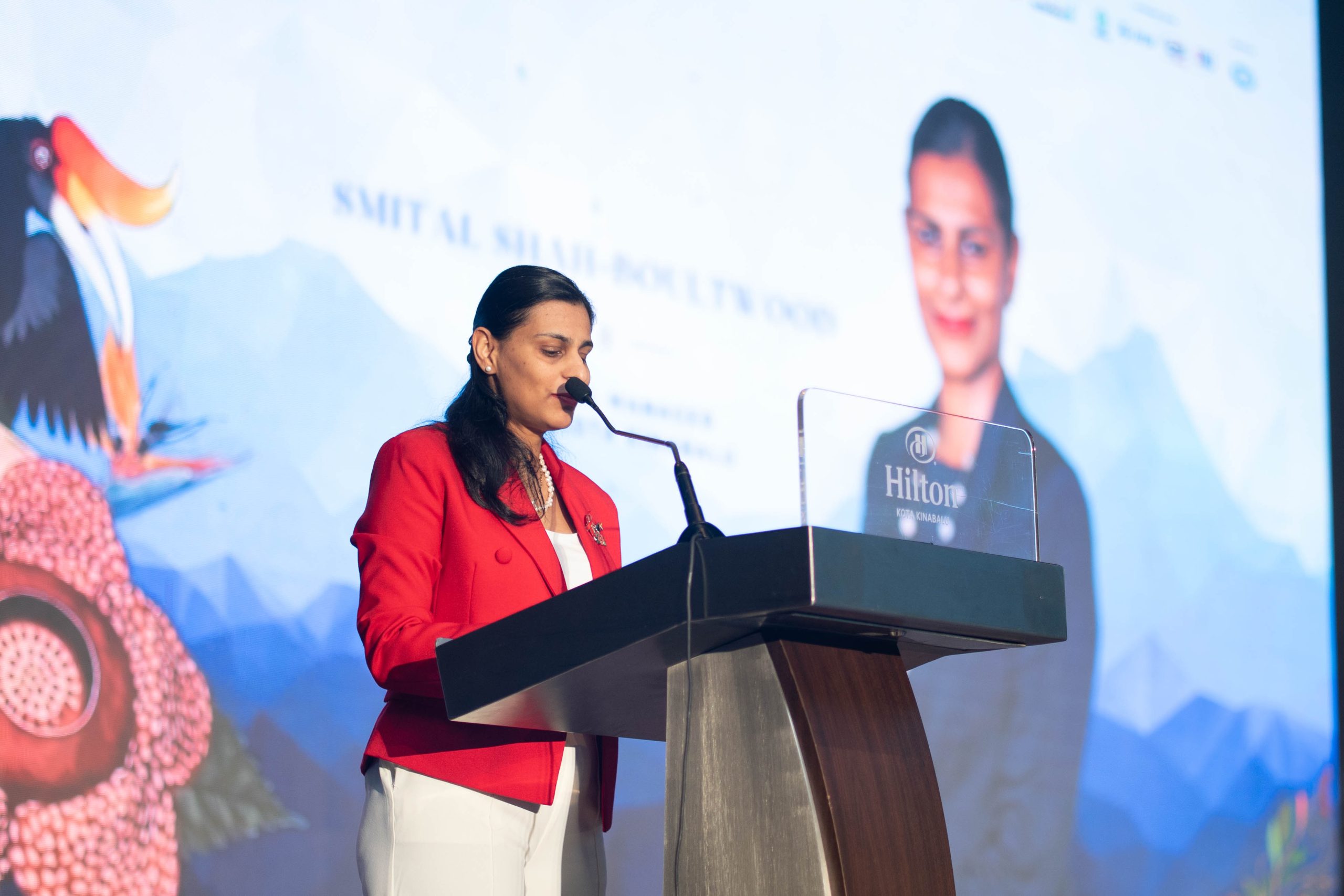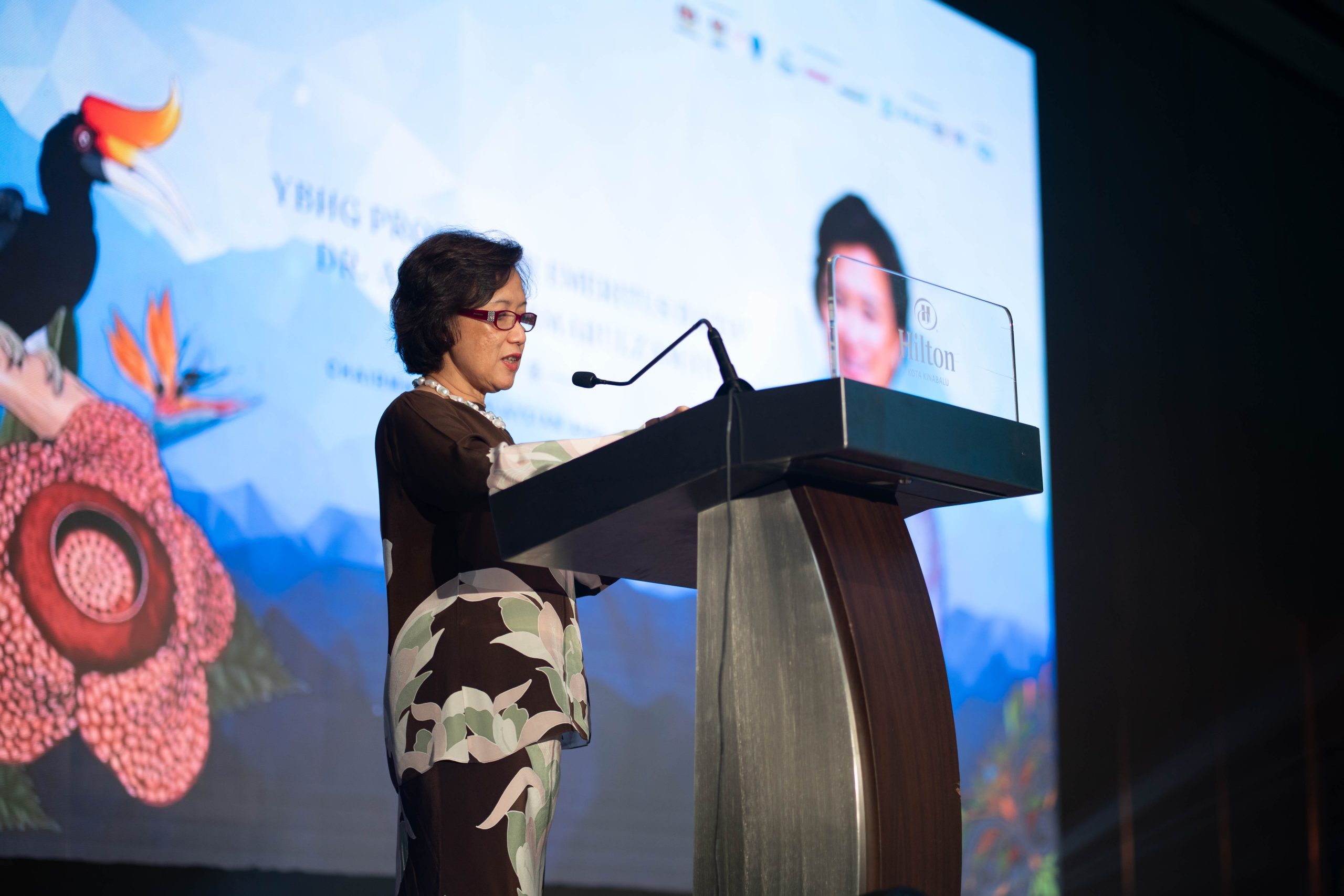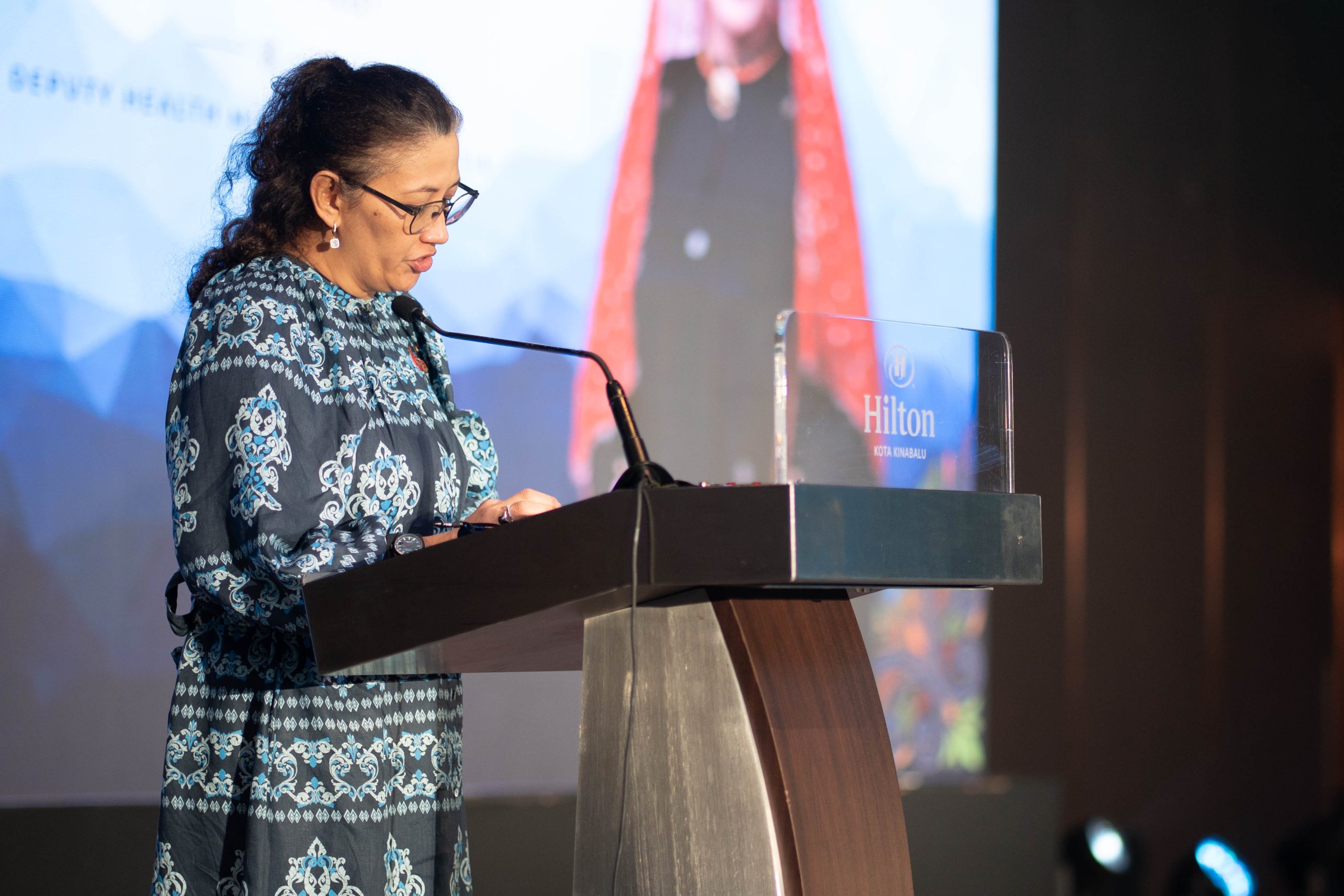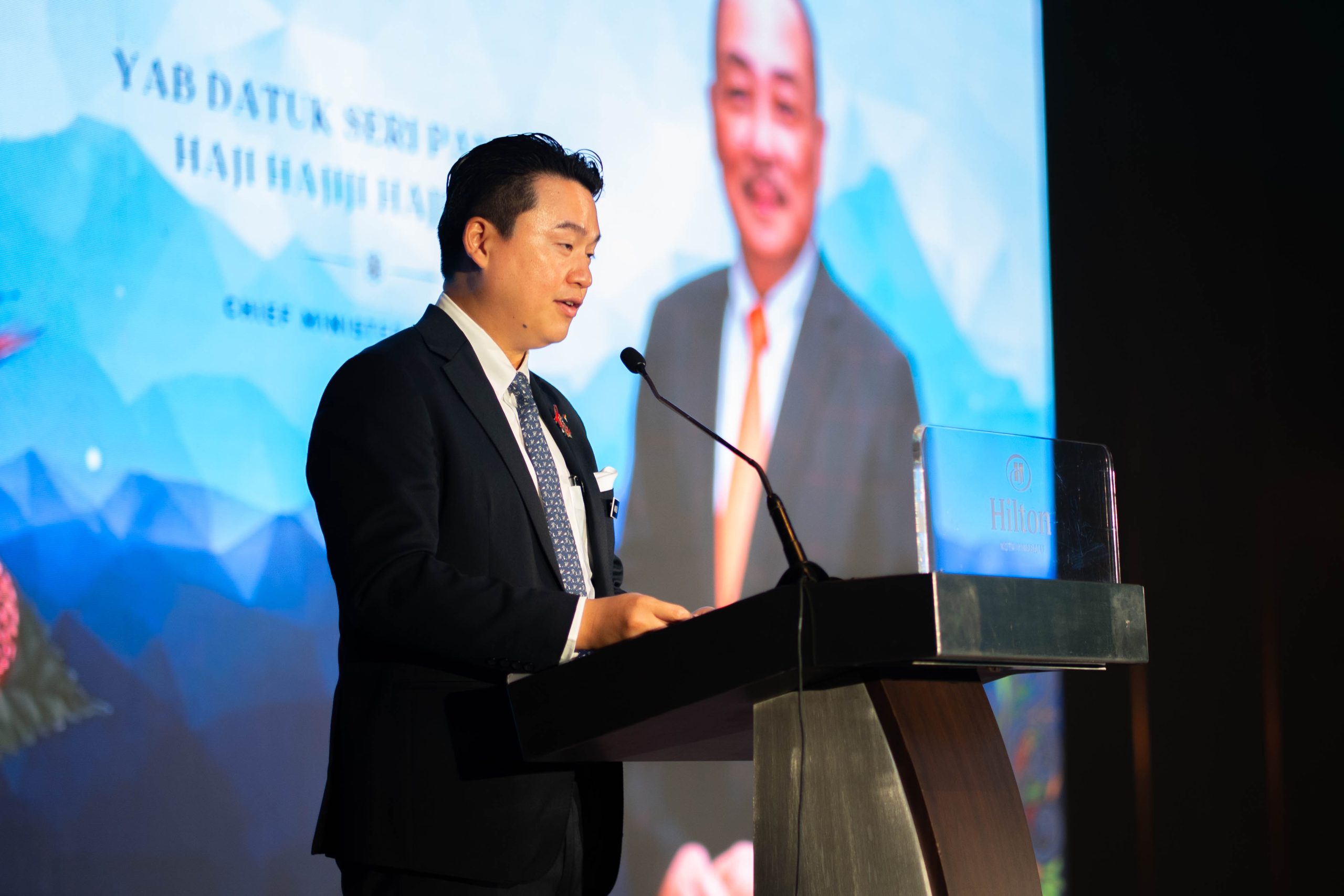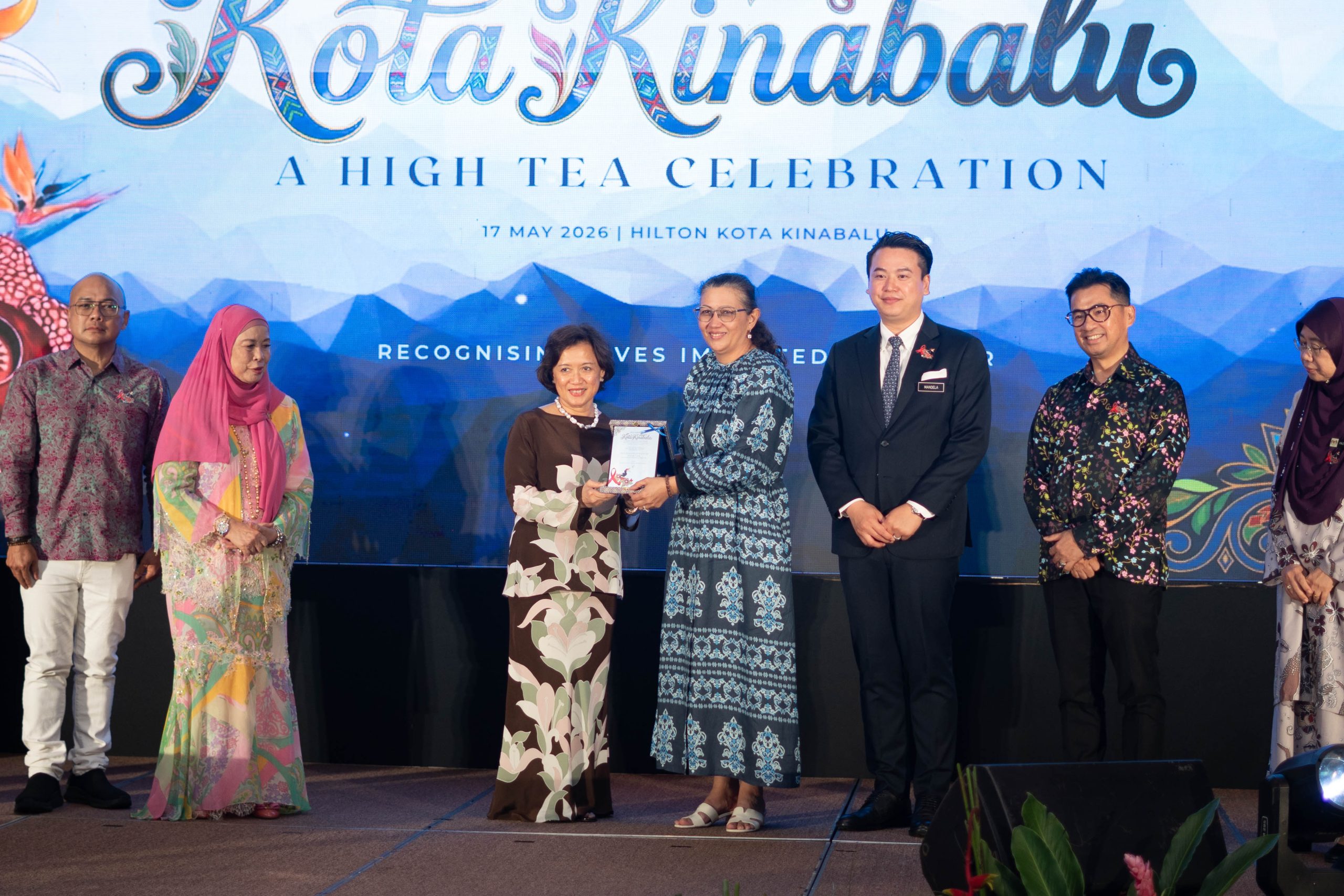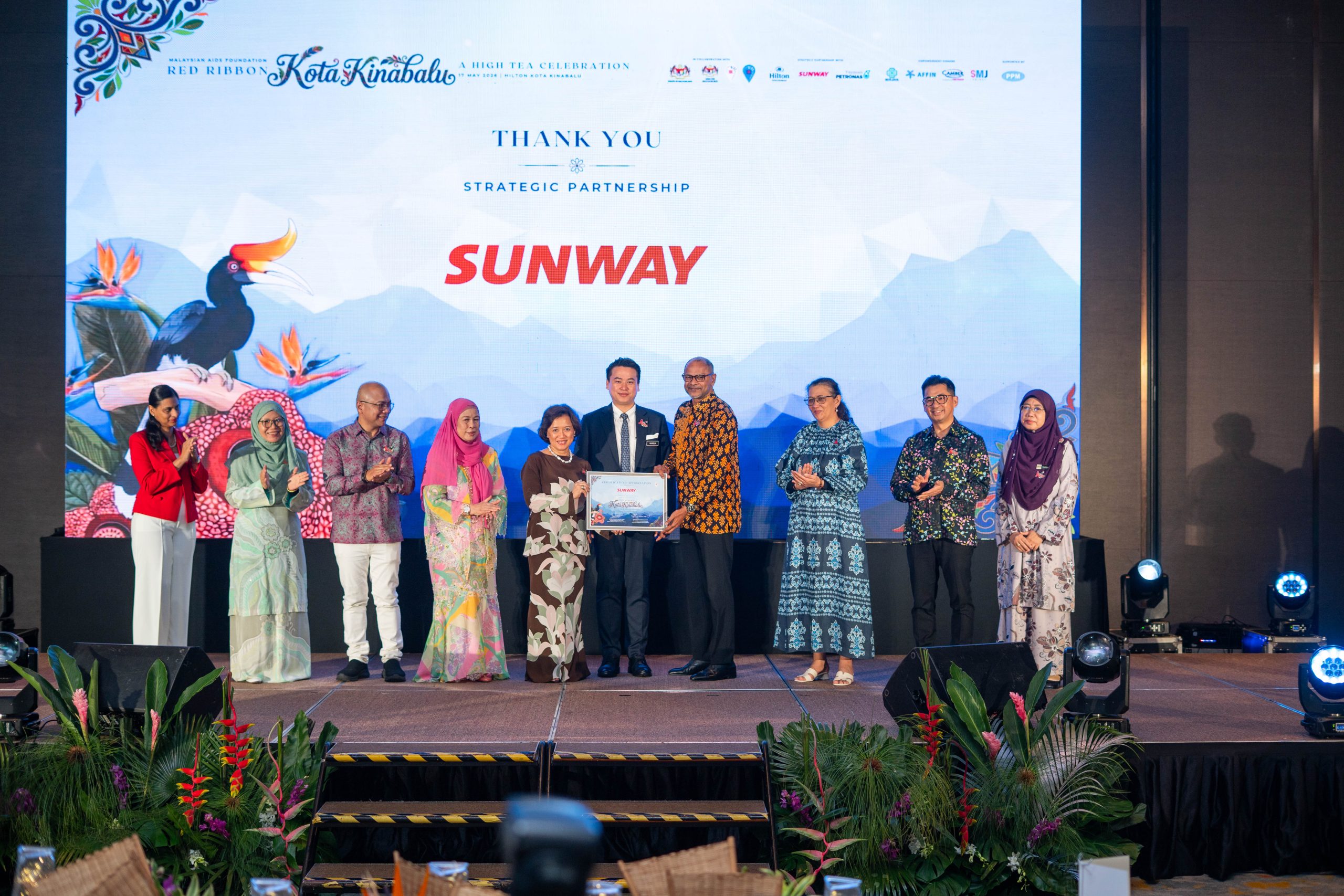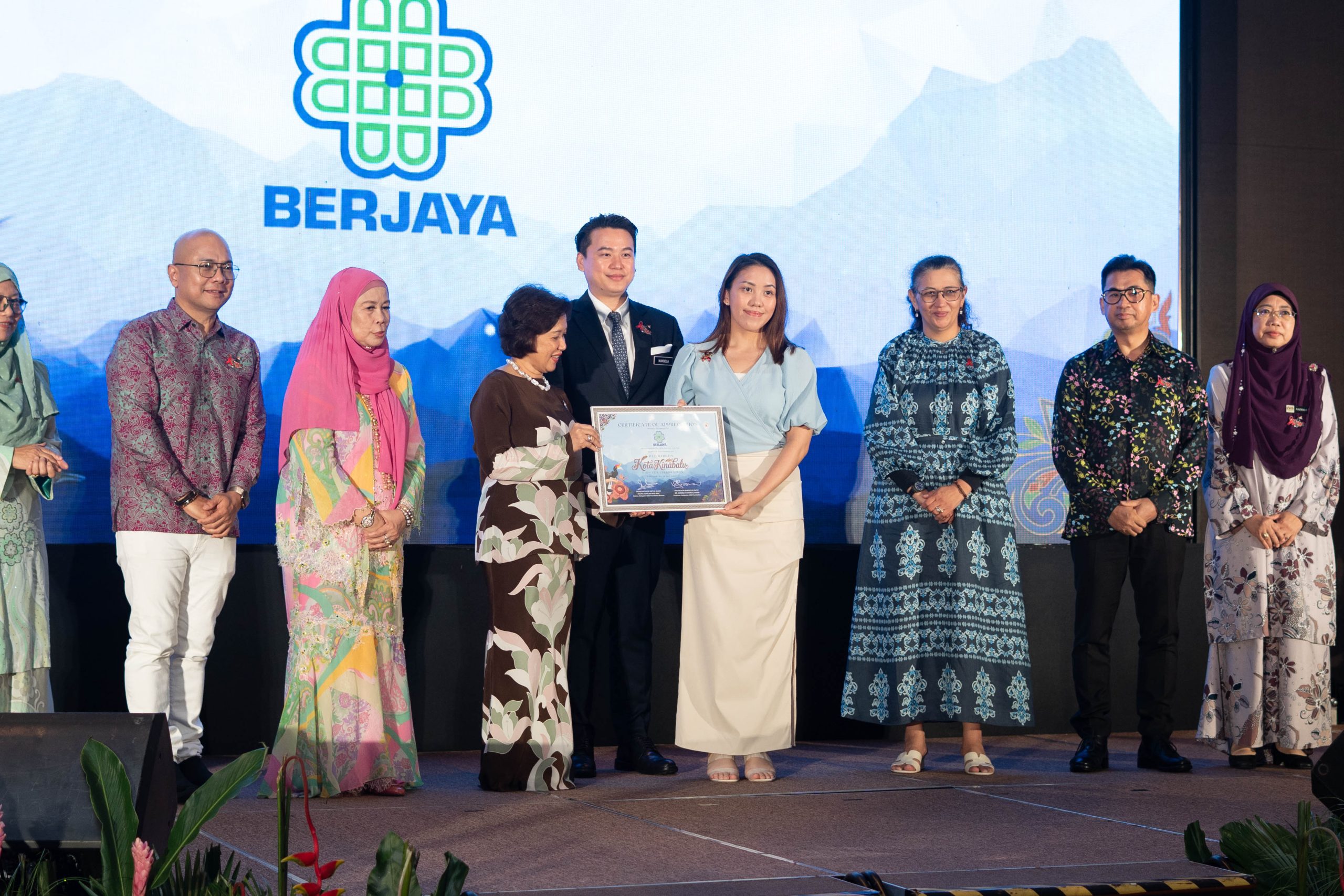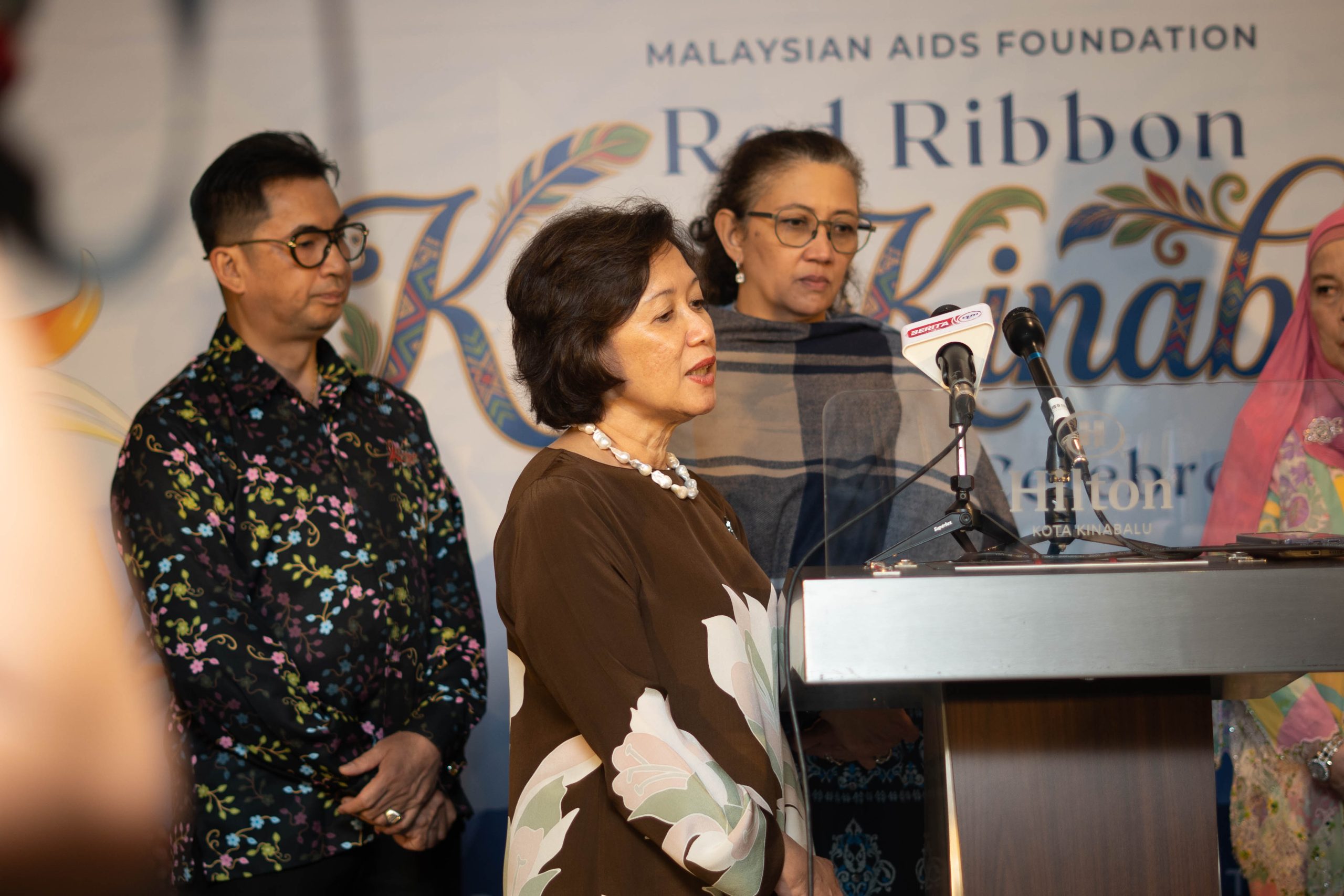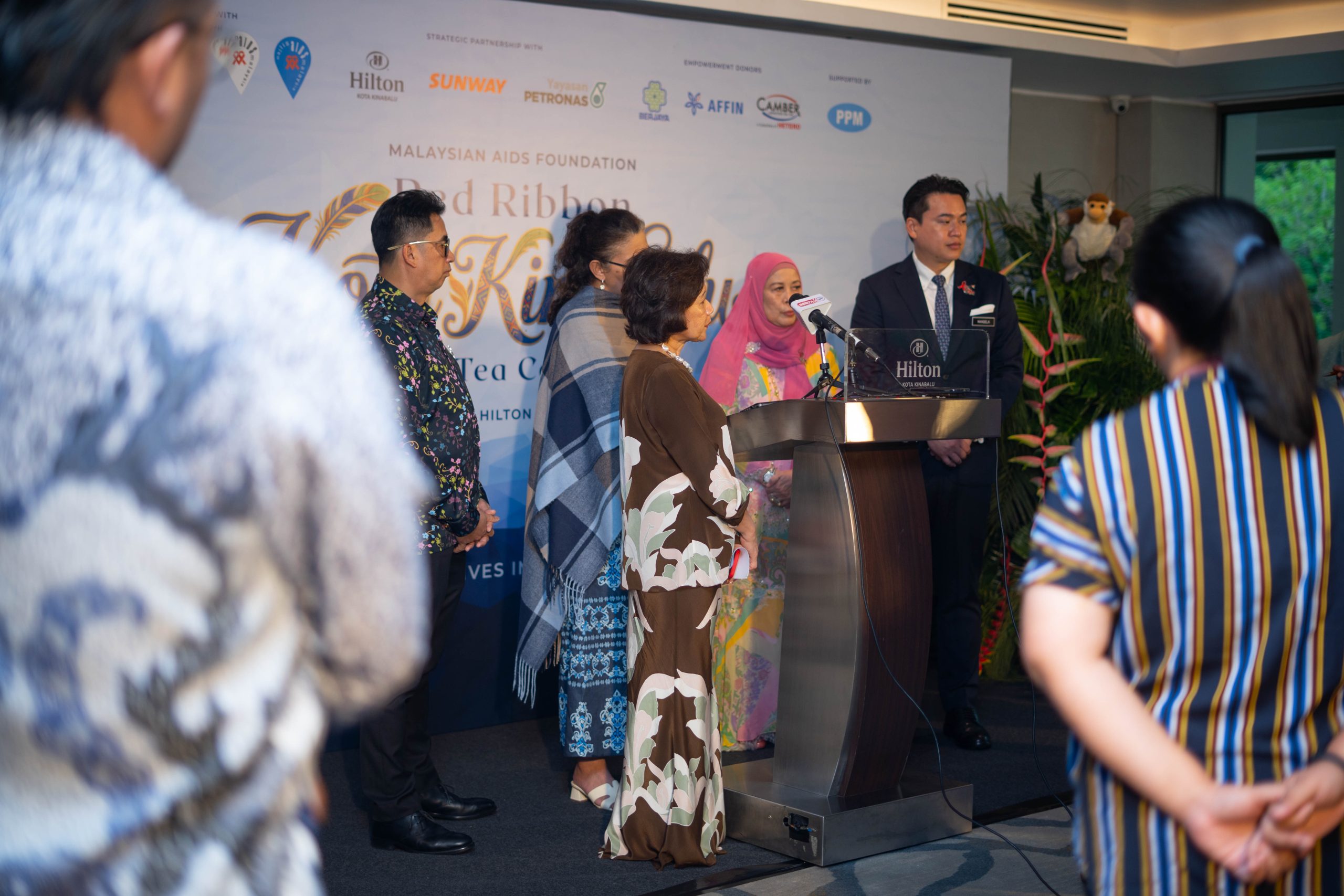
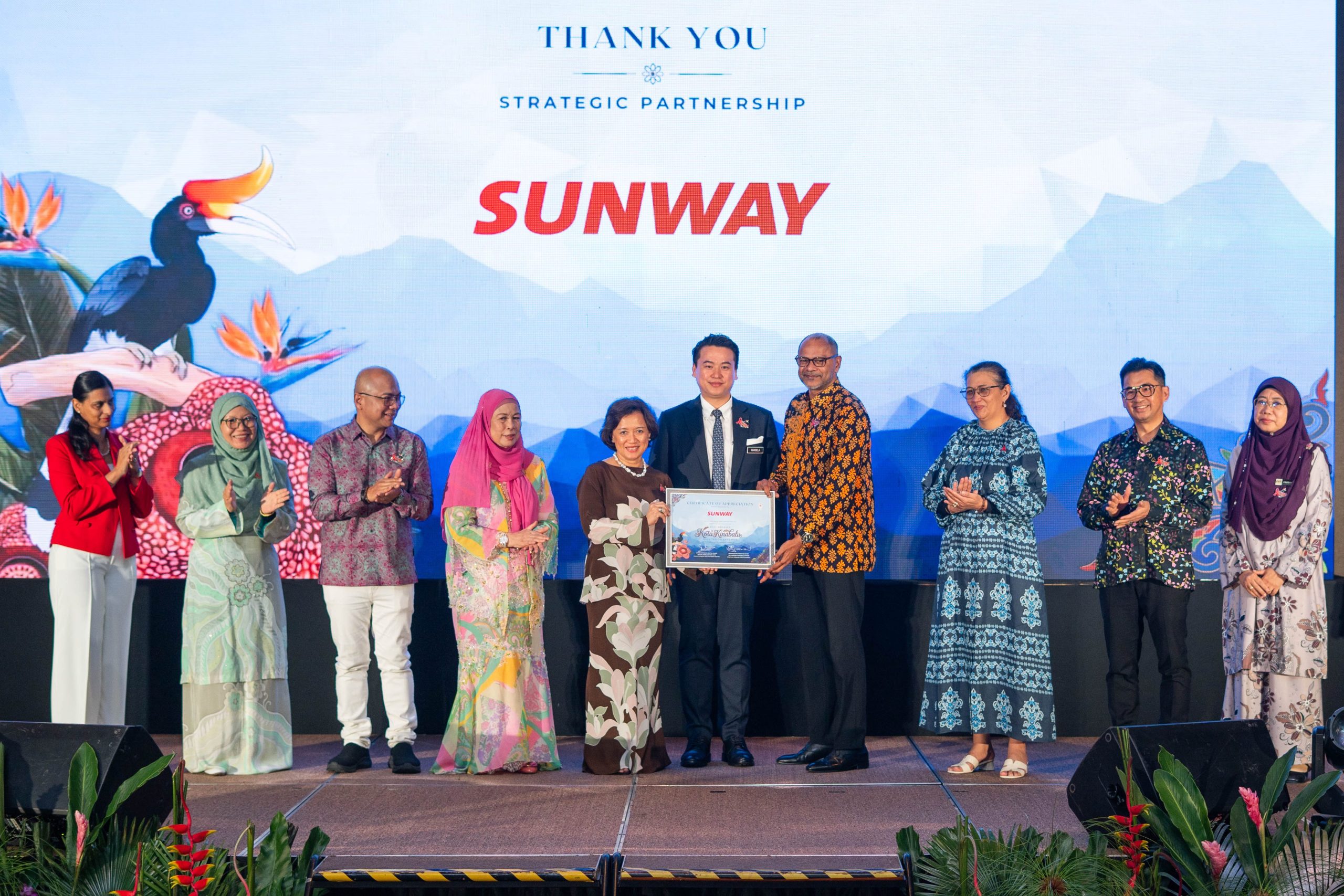
KOTA KINABALU, 17 May 2026 — The Malaysian AIDS Foundation (MAF), the Ministry of Health Malaysia and the Sabah State Government today reaffirmed their shared commitment to advancing Sabah’s HIV response through stronger prevention, treatment and community support initiatives, in line with the National Strategic Plan to End AIDS 2030 (NSPEA2030). The commitment was highlighted at the Red Ribbon Kota Kinabalu High Tea 2026, held at Hilton Kota Kinabalu, with a focus on expanding equitable HIV services for vulnerable and underserved communities.
The high tea also raised RM400,000 in corporate donations, reflecting strong private- sector support led by corporate and philanthropic partners including Sunway Group, Yayasan Petronas, Berjaya Corporation Berhad, Affin Bank, SMJ Energy, and other contributors whose generosity continues to strengthen HIV treatment access and community-based support initiatives in Sabah and across Malaysia.
The event was officiated by YB Datuk Ceasar Mandela Malakun, Assistant Minister to the Chief Minister of Sabah, representing YAB Datuk Seri Panglima Haji Hajiji bin Haji Noor. Also in attendance were YB Dato’ Hajjah Hanifah Hajar Taib, Deputy Health Minister of Malaysia; YBhg Datin Patinggi Datuk Amar Hajah Jamilah Haji Anu, Patron of MAF Borneo; and YBhg Professor Emeritus Dato’ Dr Adeeba Kamarulzaman, Chairman of MAF.
“Sabah State Government remains deeply committed to ensuring that critical HIV/AIDS services reach rural, interior, and underserved communities across the state. Sustainable progress can only be achieved through strong collaboration between government agencies, healthcare institutions, civil society organisations, community leaders, and the private sector,” said YB Datuk Ceasar Mandela Malakun on behalf of the Chief Minister.
A key focus of the initiative is the expansion of the Sabah Health Access Programme (SHAPE), which supports underprivileged Sabahans living with HIV through transportation assistance, treatment access, and follow-up care, particularly for patients in rural and remote areas facing difficulties in maintaining consistent access to healthcare services.
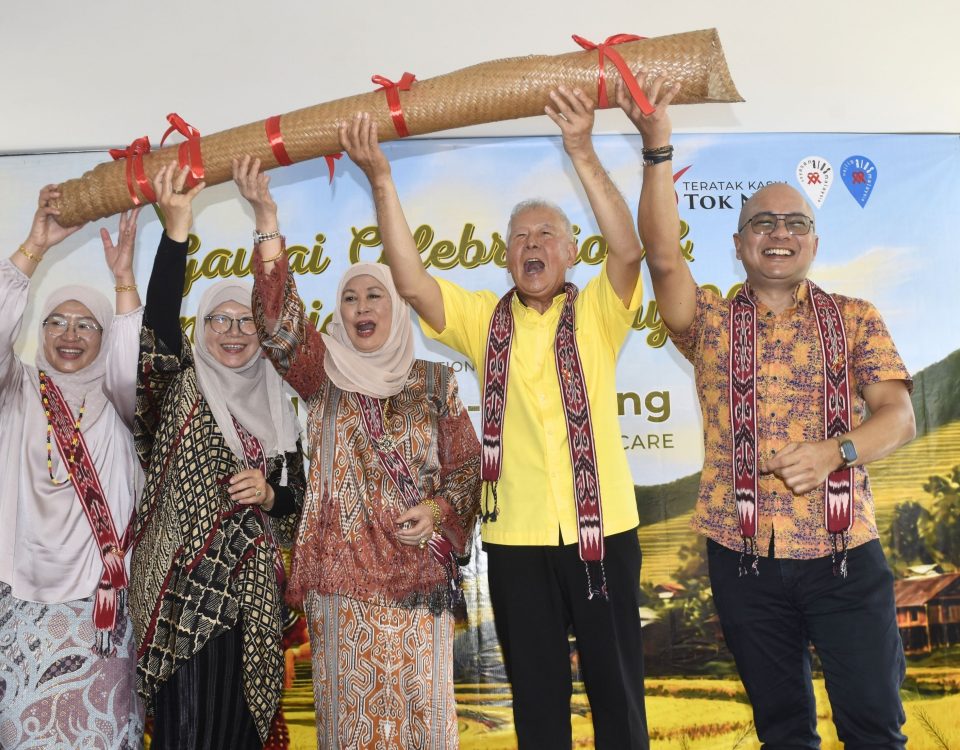
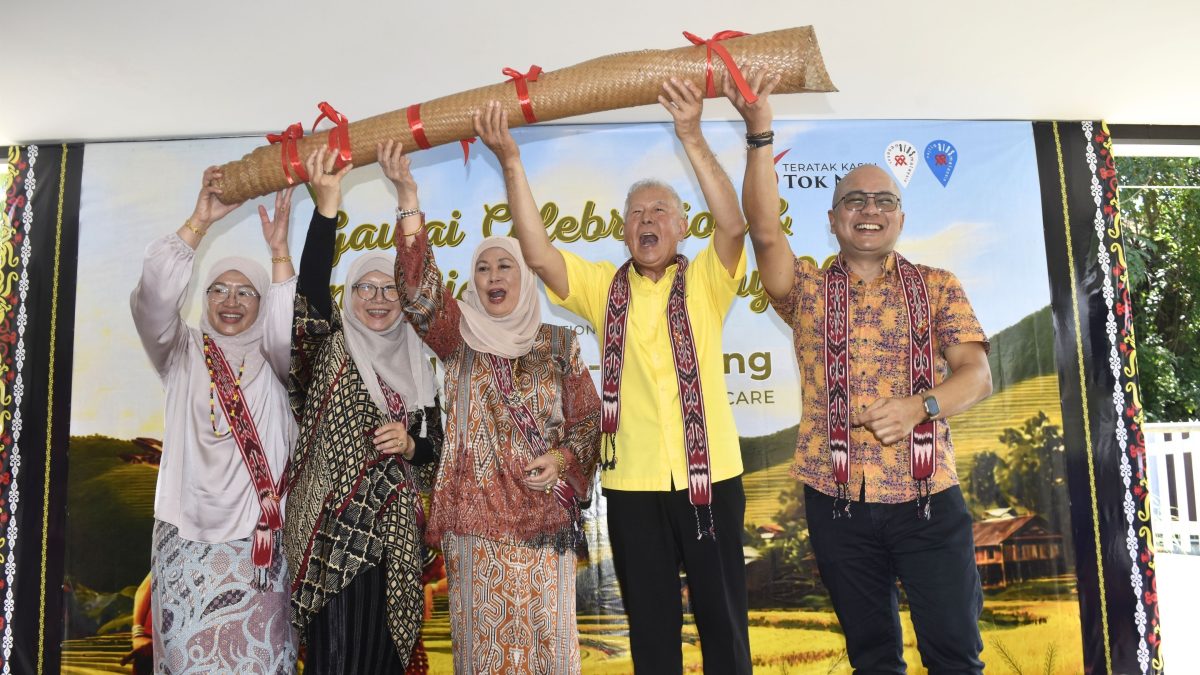
The initiative will also help scale up the existing One Stop Support Centres in Sandakan and Kota Kinabalu, modelled after the successful Teratak Kasih Tok Nan projects in Sarawak. The centres provide counselling, psychosocial support, treatment navigation and prevention activities, while strengthening community linkages to government healthcare services in support of the Ministry of Health’s Differentiated HIV Services for Key Populations (DHSKP) programme.
Deputy Health Minister YB Dato’ Hajjah Hanifah Hajar Taib called for continued momentum in Malaysia’s HIV response, stressing that long-term progress requires not only effective programmes, but a strong ecosystem of support across sectors.
“Malaysia’s HIV/AIDS response has always been grounded in evidence-based public health strategies and strong partnerships between the Government, civil society, and the corporate sector. This collaborative approach remains one of the defining strengths of our national HIV response and is essential towards ensuring long-term sustainability,” she said.
She also commended the Sabah State Government’s leadership in advancing HIV/AIDS initiatives alongside civil society organisations and healthcare stakeholders. The Ministry of Health further reiterated its commitment towards achieving the global 95-95-95 targets under the National Strategic Plan to End AIDS 2030, alongside continued support for community-led initiatives, harm reduction programmes, and public education efforts to reduce stigma and misinformation surrounding HIV.
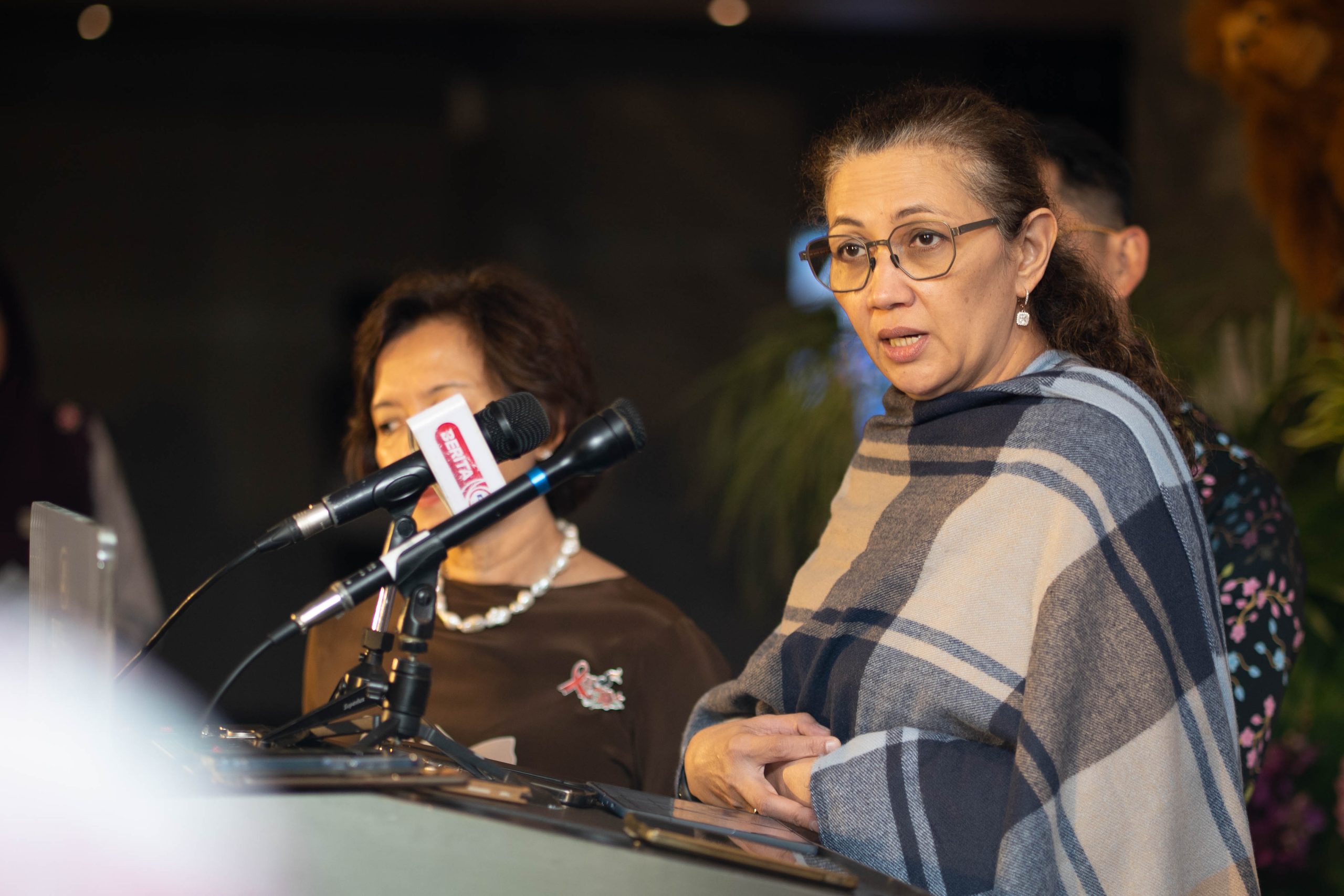
Meanwhile, Professor Emeritus Dato’ Dr Adeeba Kamarulzaman stressed the importance of ensuring equitable access to HIV treatment and care.
“Today, HIV treatment is recognised globally as one of the most important pillars of the HIV response because treatment not only saves lives, but also prevents new infections and allows individuals living with HIV to lead healthy and productive lives,” she said. “Scientific evidence has consistently shown that individuals living with HIV who receive sustained treatment can achieve viral suppression, enabling them to live longer and healthier lives while virtually eliminating the risk of transmitting HIV to others. However, access to treatment also depends on whether vulnerable communities are able to consistently reach healthcare services, remain engaged in care, and receive support without fear of stigma or discrimination.”
The Red Ribbon Kota Kinabalu High Tea coincided with the International AIDS Memorial Day, adding further significance to the occasion as communities and stakeholders gathered in remembrance of lives lost to AIDS and in continued solidarity with those affected by HIV.
More than 60 community members and programme beneficiaries also participated in the event, reflecting the spirit of inclusion, dignity, and solidarity that continues to shape Malaysia’s HIV response.
[END]
Media & Communication Malaysian AIDS Foundation
Azahemy | 016-646 5874 | azahemy@myaids.org.my Sara Radzi | 012-201 2709 | sara@myaids.org.my